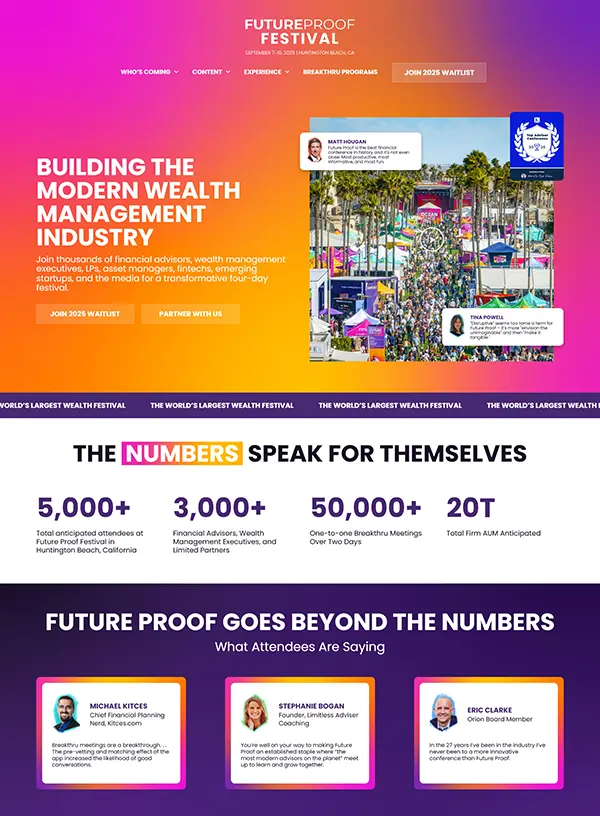
Custom Web Design Built for Performance and Growth
Upgrading an outdated website shouldn't disrupt your established online presence or brand authority. Our website redesign process modernizes your user interface, speeds up load times, and resolves performance bottlenecks while strictly preserving your existing site structure and traffic through precise URL mapping and 301 redirects.
Looking for local service in Northern Colorado? Explore our dedicated Fort Collins web design services and regional portfolio.
Seamless Website Redesign & Migration
Upgrading an outdated website shouldn't mean losing your search engine rankings or brand authority. Our website redesign process modernizes your user interface, speeds up load times, and fixes performance bottlenecks while strictly preserving your existing search engine visibility through precise URL mapping and 301 redirects.
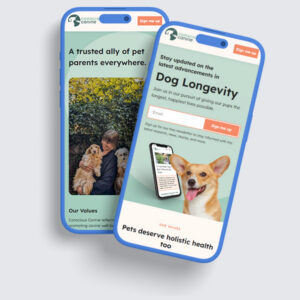
Built Responsive & Mobile-First
Our Proven Process
Our Average Launch Time for Sites
Want to learn more about investment? Review our pricing before getting started.
What to Expect During Your Project
How Tasks Are Handled
Email or shared access links:
-
Asset and file collection
-
Content drafts and revisions
-
Login credentials and access
-
Design inspiration links
Meetings or calls are best for:
-
Discovery and planning sessions
-
Strategy decisions
-
Design reviews and approvals
-
Launch readiness and next steps
We handle meetings through Google Meet, Zoom, Microsoft Teams, or phone calls.
Recent Web Design Projects
Explore real clients in our case studies or portfolio.

WiseRock Software

Animal Control

FCC Wellbeing
Clients in a Variety of Industries

"Jeremy was great to work with and did an excellent job on our website. He is very responsive, supportive and detail orientated."

"Jeremy is the man. Excellent work, communication, and follow through. I only wish I had found him sooner. Highly recommend for anyone looking for help..."
FAQ
Professional web design ensures your site makes a great first impression. A well-designed website builds trust with visitors, is easy to navigate, and converts more of your traffic into leads or sales.
Absolutely. Every website we build is fully responsive, mobile-first, and tested across all major devices and browsers for optimal speed and visual performance.
Yes. We build custom websites for service businesses, healthcare organizations, manufacturers, and ecommerce brands. Each industry has different user needs, content priorities, and search intent, so we tailor the structure to fit.
Ready to Elevate Your Web Presence?